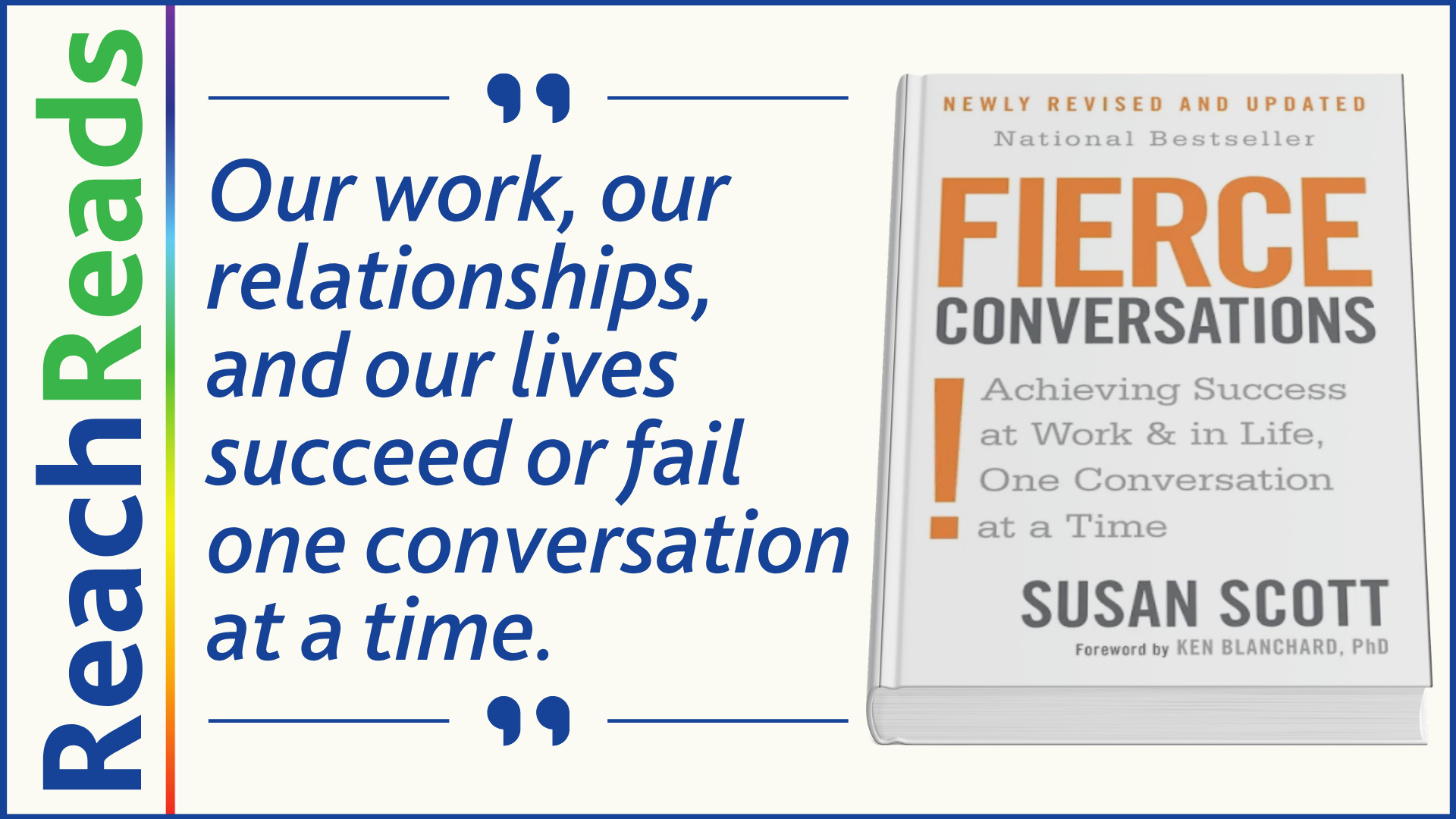
At its core, Fierce Conversations is about the quality of our relationships being determined by the quality of our conversations. Scott argues that too many leaders avoid discussing problems directly, soften important messages, or tolerate issues that undermine performance. These behaviours often create confusion, erode trust, and allow problems to grow. By engaging in what she calls “fierce conversations,” leaders can strengthen relationships, improve accountability, and drive better results.
Scott’s approach is grounded in a simple but powerful idea: every conversation is an opportunity to deepen understanding, provoke learning, and create meaningful change. Rather than viewing difficult conversations as confrontational, she reframes them as essential leadership responsibilities. Avoiding a conversation rarely solves a problem; it simply postpones it.
The Seven Principles of Fierce Conversations:
One of the book’s most valuable contributions is its practical conversation models. Scott provides structured approaches, such as the “Issue, Impact, and Contribution” framework, that help readers address difficult topics without becoming defensive or accusatory. These tools make the concepts immediately applicable in leadership, coaching, performance management, and team development settings.
What sets Fierce Conversations apart from many communication books is its emphasis on candour as an act of respect. Scott argues that withholding honest feedback is not kindness; it is a disservice. When leaders communicate openly and constructively, they create environments where people feel trusted, valued, and accountable. This perspective shifts difficult conversations from something to fear into something necessary for growth.
Whether you’re leading a team, managing stakeholder relationships, or looking to become a more effective communicator, Fierce Conversations offers a practical framework for addressing the conversations that matter most. Its message is both simple and challenging: the conversation you are avoiding is often the one that has the power to change everything.